Showing posts with label Packaging. Show all posts

Monday, 29 December 2025

Comprehending the Role and Importance of Packaging Machines in the Progress of Manufacturing Sectors

Indeed, this is a very complex journey from both a logistic and technical point of view. While generally speaking, innovation in product development and efficient production lines capture most of the headlines, there is another critical but less acknowledged driving force behind today's manufacturing success: packaging machines. These sophisticated systems are far more than devices for wrapping a product; they are central to high-speed production, ensuring product integrity and global supply chain standards, thus safeguarding brand reputation and profitability.

The Evolution of Packaging: From Manual Labour to Automated Precision

Traditionally, packaging has been labor-intensive, slow, and often inconsistent. Items were usually hand-wrapped, boxed, or bottled, thus severely limiting the quantity of output any particular manufacturer could realize. The industrial revolution brought along with it the first examples of mechanized filling and sealing, mainly within liquid and granular products. It wasn't until the middle of the 20th century that the true revolution would come about with increasingly automated, versatile, and precise packaging machines.


Modern-world manufacturing demands not only speed but precision. From manual to automated packaging, the change was more than for efficiency; it's a sea change that has allowed mass production to function as it does today. Without the capacity of these high-speed systems, industries like pharmaceuticals, food and beverage, or consumer goods would find it impossible, in fact, to cope with the huge, relentless demand of the global market.

Multifaceted Role of Packaging Automation within Manufacturing

Automated Packaging machinery has been centrally involved in most of the aspects of the production process, from operational efficiency to product quality, safety, and regulatory compliance.

1.    Enhance Production Efficiency and Speed


In essence, the fundamental role of automated packaging machinery is to greatly increase the throughput of a production line. Manual packaging, of course, is slow and subject to human error, creating a bottleneck that controls the factory's maximum speed. Packaging automation-which encompasses not only form-fill-seal machines but also cappers and cartoners-allows hundreds of units per minute to be achieved at continuous high speeds. Because of this, manufacturers are able to maximize expensive production assets and facilities due to the high-speed operation and drive down cost per unit. Generally, automated packaging machinery has integrated robotic pick-and-place technology, increasing the speed and accuracy with which products are correctly loaded and oriented for subsequent operations. The role of stretch wrapping machines has enhanced the efficiency in several industries. The pouch packaging machines and bottle filling machines have transformed the landscape of the packaging industry.

2.    Product Integrity and Shelf Life


Packaged goods, especially foodstuffs and pharmaceuticals, depend on packaging for protection against contamination, moisture, oxygen, and light. This includes the employment of machinery such as vacuum packaging machines or MAP machines in an effort to extend their shelf life by controlling the internal gas composition within fresh produce and prepared meals. The blister packing machines and strip packaging systems create tamper-evident, sterile, unit-dose packaging that is very important in patient safety and regulatory compliance in the pharmaceutical industry. There is little room for compromise in the reliability of such machines; spoiled or contaminated products translate into very expensive recalls and loss of reputation.The advanced case packing machines have strengthened the packing purpose with its reliability and structure.

3.    Better safety, improved compliance


Manufacturing is greatly regulated, especially for those industries related to product safety and traceability. In this respect, packaging machines play a very important role:


Tamper-evidence: Induction sealers and shrink-wrapping equipment produce seals that give obvious evidence of whether or not a product has been opened; this is often an absolute necessity with many consumer and medical products.


Modern packaging machines do generally comprise coding, labeling, and vision inspection systems that print the unique code-a barcode, QR code, or datamatrix code-on each package. Product serialization has become an important factor in track-and-trace initiatives so as to allow authorities and manufacturers to locate the affected batches with ease when recalls occur.


Precision dosage: The volume or weight to be dispensed by the precision filling machine is adjusted to just the exact amount, which is critical to legal metrology. Not to mention making certain products efficacious, such as prescription drugs or potent chemicals.


4.    Marketing and Branding Support


Packaging is very often the first tangible contact that a consumer has with a brand. It's the industrial packaging machinery that is important in executing that vision with precision, time after time. A better-quality labeling machine applies labels without wrinkles or misalignments, and a shrink wrapping machine gives an attractive and tightly sealed finish. It is the functionality of the packaging machines in processing multidimensional shapes, unusual materials, and creative structural designs that gives a brand its distinctive presence on crowded retail store shelves.

Importance of Integrated Packaging Systems in Sector Development

These have been strong enabling factors in the growth of the manufacturing sector. They are silent facilitators of world trade and a trigger for innovation.

1.    Driving Supply Chain Resilience


Long-distance transit and multiple handling points characterize global supply chains. Robust, consistent packaging is needed to prevent transit damage. Because sophisticated packaging machines can automatically tape, strap, and stretch-wrap secondary and tertiary packaging, cases and pallets can withstand the rigors of shipment, reducing freight damage claims and assuring that products will arrive in marketable condition. This reliability is fundamental to international trade. These boost the packaging efficiency thereby reducing packaging waste.

2.    Enabling Customization and Flexibility: Industry 4.0


Today's consumer demands variety, which means shorter runs and more product changeovers. Integrated packaging systems are designed to be flexible: quick-change parts, HMI touchscreens for rapid recipe recall, and modular construction combine to let manufacturers switch between different product sizes, formats, or materials in minutes, not hours. This agility forms part of the heart of Industry 4.0, where insights from data and smart automation ensure highly flexible production. Many come with integrated sensors performing predictive maintenance, thus enabling the machine to report on its health and predict imminent failures to avoid costly downtime.

3.    Fostering Sustainability Goals


With environmental responsibility now a pressure point on all manufacturers, high speed packaging lines have become key to such achievements on several fronts:

1.     Material Reduction: Precision machinery, such as film wrappers, can utilize thinner gauge materials for certain applications without loss of structural integrity, reducing the total amount of plastic or film consumed. It helps to reduce packaging waste and enhance packaging efficiency. The pouch packaging machines and stretch wrapping machines have contributed to enhancing the packaging efficiency through high precision operations.


2.     Handling of sustainable materials: New generations of high speed packaging machines are engineered to handle innovative, more eco-friendly materials reliably, such as compostable films, paper-based alternatives, and post-consumer recycled plastics that are often much more delicate and difficult to work with than traditional polymers.


3.     Fill Accuracy: Accurate volumetric and gravimetric fillers ensure minimum product 'give away' due to overfilling; therefore, the raw material cost is saved by reducing the overall quantity of wasted product.


4.    Resolving Labor Issues


For repetitive tasks like hand-packing, manufacturers in most developed economies have difficulty finding and retaining personnel. Advanced on-site automated packaging machinery goes a long way in bridging this shortfall in the supply of labor. By automating the more physically demanding or monotonous end-of-line packaging solutions, companies can move their human workforce into higher-value supervisory and technical maintenance jobs, thereby improving the overall quality and retention of jobs. In this regard, the capital investment in a sophisticated set of integrated packaging systems becomes a strategic investment in future-proofing operations against uncertain labor markets.

Boosting the Future of Packaging Automation


Therefore, the journey of the manufacturing sector goes hand in hand with the capabilities of its automation equipment. Far from being an afterthought, the modern suite of integrated packaging systems is integrated and intelligent, determining a company's capacity for scale, its adherence to global standards, and its ability to compete. As technology continues to evolve, the automated packaging machinery of the future will increasingly be inclined towards integration. AI will drive quality control in real time, while the optimization of operational parameters will be via machine learning, and advanced robotics will realize unprecedented flexibility. Investing in modern automated packaging machinery is far from just being a cost of doing business but a strategic investment into efficiency, quality, safety, and sustainability that positions the manufacturing sectors for continued robust progress in today's demanding global environment. Continued innovation in integrated packaging systems will no doubt be one of the driving forces for the next era of industrial advancement.


Wednesday, 15 January 2020

Importance of Right Packaging for FMCG Products

Importance Of Right Packaging For FMCG Products

Packaging For FMCG
Packaging For FMCG
It's an accepted fact that people judge by outward appearance, and nowhere is this more true that on the retail shelf. When it comes to buying behaviour in FMCG goods, consumers assess a product by its packaging.
After all, it's the customer's first interaction with the product. It is the first thing she sees and touches. Most of the time, for an undecided customer, it is this first impression that persuades or dissuades her from buying. No wonder, packaging is considered an important tool for marketing and brand building.

Purpose of Packaging

Marketing is much more than just your product’s face. Packaging serves many practical purposes:
Protection: This is the first and foremost purpose of packaging. It physically protects the goods from damage caused by exposure to sun, dust, temperature changes & contaminants; it protects against loss of nutritional value such as denaturing of proteins, oxidation of fats, etc. Packaging preserves the hygroscopic nature of the product.
Information: One of the important functions is to communicate product information, which can assist consumers in making their decisions effectively. An example of such significant information is food labeling. The trend towards healthier eating has highlighted the importance of labeling, which gives the consumers an opportunity to cautiously consider alternatives and make informed decisions. Moreover, evolving mandatory requirements demand certain information to be provided by the manufacturer. Information typically covers directions for use, storage instructions, ingredients, warnings, helpline information and any government required warnings.
Aesthetics: In the contemporary world of supermarkets and countless me-too products, packaging plays an integral role in helping it stand out and grab the buyer's attention. Aesthetic value increases chances of it being accepted and tried by the consumer. Packaging is a platform to build brand, enhance aesthetics and protect the form and shape. We all know that a deformed or dented pack is unacceptable to consumers, and so many SKUs are sent back - causing losses to the manufacturer.
Transportation: Goods have to be transported, distributed, stored and warehoused during their journey from production to consumption. Packaging ensures durability and strength, so the goods can withstand transportation stress and make the process of handling goods more convenient for all parties involved.
Security: To ensure that there is no tampering with the goods packaging is crucial. The package of a product will secure the goods from any foreign elements or alterations. High-quality packages will reduce the risk of any pilferage.
Convenience: It's the age of innovation in packaging - and breakthroughs that enhance convenience, usability and sustainability are always appreciated. Some examples are Kissan jam tubes that eliminate the need for spoons; Act-II popcorn microwave pack; Bru coffee containers with aroma lock.
However basic considerations still remain important - ease of opening, pouring and re-sealing, re-usability of containers, and easy disposability of discarded packs.

The challenge

FMCG, as the name spells out, are fast moving consumer goods and include non-durable household goods such as packaged foods, beverages, toiletries, over-the-counter drugs, and other consumables. In a world of over-crowded shelves, growing consumerism, increasing awareness of environmental concerns, rising need for convenience, deeper penetration into rural & remote markets, etc., FMCG manufacturers need to pay minute attention to their packaging. Weight, cost and availability of packaging material play a key role. Packaging needs to contain, preserve and transport the product with safety and durability. The challenge lies in providing packaging that fulfills all these considerations and impressing consumers while managing the cost so that it does not mark up the price for the end user – or neglect environmental concerns.

Conclusion

Nichrome, India’s leading provider of integrated packaging solutions offers a wide variety of automated packaging machines and end-to-end packaging systems for diverse FMCG products.
Nichrome has over 4 decades of experience and expertise in flexible packaging, and is continuously innovating to improve efficiency and sustainability of packaging machinery and packaging material. Recently, Nichrome is entering into joint ventures with packaging majors from Europe and South-east Asia to bring state-of-the-art packaging technology and a wide variety of packaging formats for food, pharma and other applications.
Nichrome partners with FMCG manufacturers and marketers to customize packaging solutions to suit individual product needs, optimizing cost and functionality.

Tuesday, 27 August 2019

Choosing the Right Packaging for Your Product

Packaging plays a crucial role in marketing. It determines whether you attract customers or not, and therefore, has a direct impact on your sales. When choosing the right packaging for your product, consider the types of packaging materials available in the market.

Choosing the Right Packaging for Your Product


Types of packaging material

The options include:

Flexible materials

Flexible plastic comes in many forms, shapes and variations, allowing for multiple types of customisation. It is sustainable, tough and lightweight compared to other packaging. Flexible plastic packaging are classified by the type of treatment, process or product requirement and come in different versions such as high barrier with aluminum, special material for heat treatment, modified atmosphere packaging and for hot-fill, etc.

Semi-rigid materials for vacuum-packing

This type provides a high degree of transparency and excellent preservation properties. It consists of coextrusions with a PA, PE or PP base, which can also incorporate a high barrier and peelability.

 Rigid materials

On the basis of raw material, rigid materials can be segmented into metal, glass, paper and plastic. They offer a tough and resistant option that is highly transparent and recyclable.
Given the plethora of packaging materials available in the market, how do you know which one is right for your product and business. There are some basic criteria to evaluate and decide:

Budget

Materials like glass look great but are expensive to manufacture and transport. It is also breakable. However, sometimes, for certain products, consumers are willing to pay for greater perceived value. Keeping such considerations in mind, you need to define your budget and then search the market for available options in your set price range.

Transportation

Every product requires a high level of protection to get from point A to point B. The journey from factory to consumer can be harmful, so you need a clear understanding of how your product travels. The distance and time taken, modes of transportation used, storage conditions at each step – knowing all this will help you choose a strong and durable packaging that ensures your product remains undamaged and un-contaminated in transit.

Branding

Often times, manufacturers choose packaging that is an extension of their branding. For instance, if your USP is the organic or vegan aspect, you may consider packaging made from recycled, eco-friendly material. Also, packaging should look attractive and appeal to consumers. Flexible packaging offers some advantages in this regard, as it offers excellent printing possibilities and larger space for branding which helps your product stand out on crowded retail shelves.

Package size & shape

Single sale, single-serve, multipack, bulk – your product probably comes in different sizes. You need a packaging material that can adapt to each size with consistency and versatility. Size and shape are important when it comes to shipping and distribution. You should try and find the most ergonomic, convenient and cost-effective shape and size – and select material that helps you achieve these goals.

Sustainability

It’s important that you choose materials that comply with industry regulations, minimize environmental pollution and offer long term sustainability. Flexible packaging and shrink films are lightweight so they are cheaper to ship than bulkier, heavier packaging. If you’re into e-commerce, you need to consider packaging options that protect your product in transit while being easy and safe to dispose of.

Further, automated packaging systems offer speed, minimize wastage and cost-efficiency that makes food packaging or pharma packaging more sustainable. It makes smart business sense to evaluate all the various materials available, and pick the most sustainable one.

Saturday, 4 May 2019

One-stop solution for Oil Packaging

Oil Packaging Machines

Oil Packaging
For every oil manufacturer, big or small, hygiene, accuracy and leakage-free sealing are crucial. With four decades of experience in the flexible packaging industry, and 7000+ installations across India and the world, Nichrome can proudly claim to be the Oil packaging machine manufacturer who has successfully delivered one-stop oil packagingexpertise to its clients. No matter where in the world the customer is located, Nichrome can deliver innovative oil packaging solutions that will protect the purity of the product, improve time-to-market, and enhance the retail value of the brand.
Vertical Form Fill Seal (VFFS) machines
Nichrome’s VFFS machines are built to deliver utmost satisfaction for its customers. The VFFS machines are high speed, accurate and hygienic, with the capability of packing two different products and quantities at the same time. Bag pulling is accomplished with ease through the deployment of a specially designed film roll unwinding feature. Space requirements are lessened as the oil filling machine does not have any side opening. The controller is operator friendly and the machine is totally mechanical with no need for compressed air.
Nichrome’s Filpack Servo SMD and Sprint 250 Visco are engineered for all oil and related applications including ghee packing and for other viscous products such as vanaspati and fresh cream. Their CSPP pouch and 3-side seal pouch are the perfect solutions for all cooking oil packing. The output speed is between 80 and 85 packs per minute.
Horizontal Form Fill Seal (HFFS) machines
Nichrome’s HFFS oil pouch filling machines from Nichrome can pack between 5 and 250 cubic centimetres in the Simplex version and between 5 and 90 cubic centimeters in the higher-output Duplex mode. The rated output for the simplex version is 100 packs per minute while the duplex version delivers 200 packs per minute. The HFFS pouch filling machine utilizes a piston filler for viscous applications. Alternative pouch formats include the four-side seal and zipper pouch formats as well as a contour/profile pouch format. The pouches can be rolled out by the edible oil filling machine either one by one or as a perforated chain of pouches. The packaging materials for the HFFS machines are heat sealable laminates like PET/PE, Paper/Alu-foil/PE or co-extruded films.
Oil Packaging systems
With a wide selection of both HFFS and VFFS innovative packaging solutions, Nichrome ensures it has a solution for every need and budget. Nichrome also offers other automatic liquid filling machines for the oil industry. Besides integrated solutions for secondary and tertiary packaging, Nichrome’s bottle filling line for liquids is an integrated packaging solution for bottle filling and packaging that covers a turntable, UV sterilisation chamber, automatic bottle filling machine, cap feeding elevator, rotary capping machine, induction sealer, labeling machine, date & batch coding system, and packing table.
SKUs range from 100 ml to 20 ltrs. Applications include a wide range of food & beverage liquids such as flavoured milk, soft drinks, energy drinks, water & buttermilk; non-food liquids such as perfumes, oil, shampoo, handwash; viscous products such as ghee, ketchup, chocolate sauce and more.
Conclusion For enterprises big and small, Nichrome delivers outstanding single-source convenience and infinite possibilities in integrated, automated packaging solutions. Nichrome partners with customers through the complete lifecycle, offering application-specific solutions, backed by dependable service and support. Transform productivity of your packaging plant and elevate your oil pouch packing business with superior domain knowledge, innovation and technology from Nichrome.

Saturday, 20 April 2019

5 Reasons To Automate Your Packaging Line

Automatic Packaging Machines


5 Reasons To Automate Your Packaging Line

Whether you are an established manufacturing business or a young and growing one, you want to be an efficient and productive enterprise. You want to be a company in tune with the times, meeting and exceeding your consumer’s expectations, growing your profits as you build a stronger brand.

Packaging plays a crucial role in your business, and adopting the latest technology for it is essential to build the competitive edge. Manufacturers the world over have adopted automated packaging systems such as VFFS packaging machines and HFFS packaging machines. Such flexible packaging machines are enabling manufacturers to meet their packaging goals and increase profitability.  

Let’s consider some of the reasons to invest in automated packaging systems for your business.

You can't cater to growing demand and expanding markets

The demand for your product is increasing. You want to venture into new markets and territories. Your overworked employees and old packaging equipment just cannot keep up. Before you lose business to competitors who move faster than you, or you have to give up on your ambitious growth plans - think automated packaging line. It'll help you respond quickly to increase in demand and take the pressure off your staff.

 You can't take on new packaging formats & sizes

Consumer packaging calls for varied package sizes and formats. Competition demands you have more customised SKUs as a point of differentiation and to fulfill changing consumer needs.
Today's automated packaging machines are built for versatility so they deliver better ROI.

You can't handle modern packaging materials

In flexible packaging, there is constant innovation in the film - to minimise environmental impact and better protect & preserve the product. Old packaging systems just don't have the features and capabilities to handle the new materials or the sealing pressures and precision required.

The cost of labour, wastage and downtime is killing you

As harsh as it sounds, human resources are expensive to employ. They can be slow, miss working days, and make mistakes. Human error and other reasons can cause a ton of waste. Waste of product from overfilling bags or leaks & spills, inefficient use of shop floor space, waste of time since the process takes much longer, and frequent downtime due to breakdowns or faults.

The world demands accuracy & standardisation

The contemporary consumer is demanding. They expect their money's worth. Discrepancies in quantity, seal quality, pouch look & feel - such irregularities can have a negative impact on your brand and your sales.

If such problems ail your business, it’s time to invest in modern packaging systems that will help you overcome them. Sure, such an investment can be expensive but in today's world, they are simply the better choice. Better machines will give better performance and thereby, better profits.

Still unsure if you can make the change? Nichrome can help. As India's leading integrated packaging solutions provider, Nichrome partners with you to understand your needs and limitations, and develop the customised solution for you.

Nichrome's primary packaging machines in VFFS and HFFS formats are sturdy, durable performers with speed, accuracy and cost-efficiency built-in. They offer unmatched versatility - so you can pack a variety of solid, liquid & viscous products in a range of pouch formats with the same machine.

Nichrome also provides secondary packaging and tertiary packaging systems that can be integrated for a smooth and seamless packaging line. Nichrome also has expertise for turnkey project design and can custom-design a complete automated and integrated packaging line for you.

To know more, contact Nichrome today. www.nichrome.com

Thursday, 17 January 2019

Pouch packaging: a growing, evolving trend


According to a report by Smithers-Pira, the global pouch packaging market will reach $19 billion by 2021 up from a projected $15 billion in 2016 – a compound annual growth rate of 4.6%. In India, the flexible packaging segment is estimated to be growing at over 35% annually, mainly driven by the food and the pharmaceutical sectors.

Pouch filling machine manufacturer

The large and growing Indian middle class, along with the growth in organized retailing in the country are fuelling growth in the flexible packaging industry. Another factor, which has provided substantial stimulus to the packaging industry, is the rapid growth of exports, which requires superior packaging standards for the international market.

Pouch packaging vs. Rigid packaging

Flexible pouch packaging scores over traditional rigid packaging in different ways:

Barrier properties

Flexible packaging offers companies the ability to customise the appropriate barrier for their product and end-use. For example, products such as juice and milk require an oxygen barrier. Other products may not. A flexible pouch can have specific barrier properties built into it.

For years, aluminium foil was used as the ultimate barrier material but when used in the increasingly popular stand-up pouch, the foil can crack leading to pinholes that let contaminants in. New materials have been developed to replace foil.

Ease of branding

In pouch packaging, pouch formation generally includes full printing features as well as lamination if required. The pouch also offers larger printing area for companies to print their brand and product details, and to incorporate high-end graphics to make their label as attractive as possible.

This is of prime importance as manufacturers jostle for space and attention on crowded retail shelves.

Sustainability

In a world where environmental sustainability is an ever-growing concern, flexible packaging proves to be far more energy-efficient and economical than rigid packaging such as expensive plastic jars, glass bottles, heavy duty boxes and metal tins. Throughout the three stages of its life-cycle i.e. manufacturing, transportation and disposal, flexible packaging proves to be the cheaper, more responsible option. Packaging engineers everywhere continue to search for thinner and lighter laminate structures without compromising upon the overall strength, barrier & functional properties of the packaging.

Flexibility in design and dispensing

Flexible plastic films can be moulded into practically any shape, with the inclusion of different handles, opening features & fitments. It is also possible to produce packaging of larger sizes. All these aspects enhance convenience and storage for the end-user, and improve brand preference.
Today's pouches have easy-tear notches, screw-top caps, ziplock, and etc. and new innovations crop up every day. Pop-up straws, one-way dispensers and valves that connect directly to appliances are some of the fitments for liquid packaging that are making their way into the market to enhance functionality.

Conclusion

Pouch packaging continues to grow in popularity. The main reason for this growing popularity is that flexible packages are found aesthetically attractive, cost-effective and sturdy. Consumer preference for the use of convenient packaging and packaged products in affordable quantities in laminates is also one of the main reasons that have contributed to the growth of flexible packaging in India.
What is more, the world of flexible pouch packaging keeps evolving, with new design innovations, materials and applications emerging every day. Various pouch formats and new fixture technologies are increasing market share in an array of applications in food, beverages and other end-use segments.

In India, Nichrome is a leader in the design, manufacture and integration of pouch packaging machines. For a diverse range of applications across Food, Pharma and other sectors, Nichrome innovates and customizes packaging solutions that create value for its customers. If you are contemplating pouch packaging for your product or seek to improve efficiency of your packaging line, Nichrome’s integrated packaging solutions can ensure desired outcomes.

www.nichrome.com

Wednesday, 12 December 2018

How/Checklist to Pick the Right VFFS Packaging Machine

Vertical Form Fill and Seal (VFFS) machines are a boon to modern manufacturing. They combine high production output, consistent reliability and product quality with low manpower requirements and low maintenance costs.
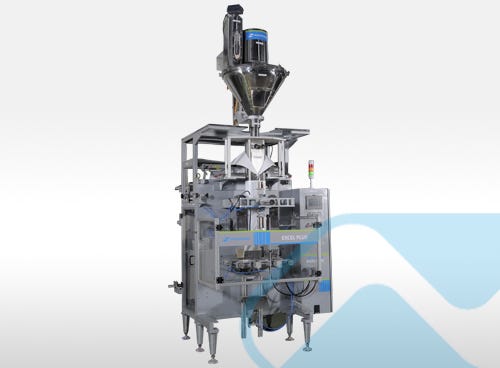
VFFS Machines/Excel Plus Series/Excel Plus/Servo Auger
If you’re thinking of getting a VFFS machine for your production process, here’s a check list to help you pick the right one:
1. Space and ergonomics
How will the new VFFS machine fit in your factory? Where will you position it? What is your ceiling height? Can it be easily accessed? Is there space to bring materials in? How & from where will workers engage with the machine? It’s important to study ergonomic constraints and do some work floor planning before acquiring the VFFS machine that suits your set-up the best.
2. Simplicity
Modern VFFS machines are automated, programmable and with ‘date-over-internet’ accessibility. This assures accurate and reliable packaging, and increases ease of operations. But it’s important to look for machines that are simple to integrate, and easy to operate, with minimal maintenance requirements.
3. Price
Machine acquisition is an expensive proposition, involving base price and running costs. That’s why you should take some time before making a decision. Speak to as many vendors as possible, compare each one’s rates, clarify doubts about technology, running costs, training costs, maintenance, etc. — and then choose. Remember, cheapest is not always best, and the highest price does not guarantee satisfaction. Thorough study and evaluation is essential.
4. Versatility
VFFS machines are inherently versatile. Just change the filler, and the same machine can efficiently pack a wide variety of products. But your first priority should be to find the best VFFS machine for your leading product. Evaluate the cost and performance efficiency of a machine ideally suited for your flagship product so you achieve optimal return on investment.
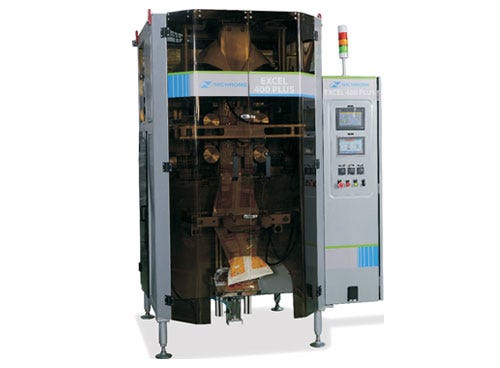
VFFS Machines/Excel Plus Series/Excel 400
5. Features
VFFS machines come in different models and each of them offers different features. While their main purpose remains the same, their efficiency, output, footprint, etc. varies. Also, there are different levels of automation so depending on your performance targets and your manpower; you can purchase a machine as per your company’s requirement.
6. Assurance & support
VFFS machine is a big investment, so it makes sense to find a vendor who is reputed and experienced, with sound domain knowledge. Find a vendor who will partner with you, study your product, understand your needs & challenges, discuss total cost-of-ownership, etc. Choose a vendor who can also assure prompt service and support to minimize downtimes, enable up gradations and maximize productivity.
Conclusion
Frankly, selecting the right VFFS machine for your operations can be a confusing task. There are so many aspects to consider, so many pros and cons to weigh. Make the process simpler by talking to a reputed packaging machine manufacturer who will make the time and effort to partner with you and provide comprehensive consultancy and service — both pre-sales and post-sales.
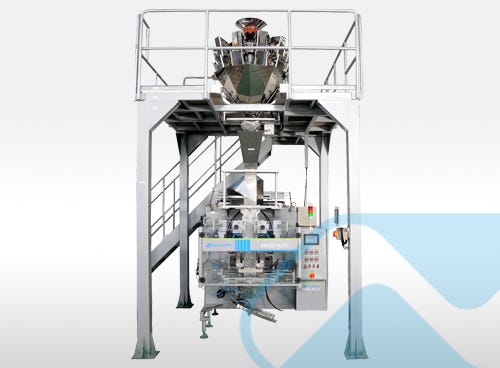
VFFS Machines/Excel Plus Series/Excel Plus/Multi-Head Weigher
Nichrome is one such reputed packaging solution provider who customizes and integrates packaging solutions to deliver enhanced performance and productivity. To know more, www.nichrome.com

Wednesday, 21 November 2018

Nichrome Packaging solutions for new application challenges

Since Nichrome developed India’s first indigenous milk filling machine in 1976-77, it’s been one long journey of innovation and competency building. Spice packaging machines, snacks packaging machines, tea packaging machines, liquid filling machines, shampoo packaging machines – the list of Nichrome’s deliveries goes on and on.

Nichrome’s true strength lies in partnering with customers through the complete lifecycle, offering customer-centric and application-specific solutions, backed by dependable service and support. For enterprises big and small, for applications existing and emerging, Nichrome aims to transform productivity with its pioneering innovation, extensive domain knowledge and manufacturing capabilities.

Find applications available for packaging services
Nichrome has vast domain experience and knowledge of diverse food and other applications. Nichrome understands the challenges of industry regulations, stringent hygiene requirements and specific recipes, and innovates tailor-made solutions that exceed customer expectations with their performance, cost-efficiency and reliability.

In recent times, Nichrome has worked closely with clients to design and build innovative packaging solutions for a wide variety of products. From idli batter and onion flakes to smethana, kehfir and bakery shortening; synthetic resin and ‘neel’ for clothes to handwash powder – Nichrome has developed packaging solutions that fulfill industry needs and meet application challenges.

While moving to the next level of engineering for application-specific solutions, Nichrome is also proving itself to be a competent provider of integrated packaging solutions. For Food, Pharma and other applications, Nichrome is the single source for integrated packaging solutions divided under three broad units: Packaging Machines, Packaging Systems and Filling Systems. In each, with strong R&D, Nichrome partners with enterprises of all scales to innovate solutions that address real needs, and provide comprehensive expertise that creates value through the complete lifecycle.

www.nichrome.com